Explore
The Sound of Music
A story woven into the landscape
01 · Introduction
For many, The Sound of Music is the first encounter with Salzburg - a story carried by music, landscape, and the enduring power of place. For Schloss Leopoldskron, it is one chapter in a much longer history, yet one that has left a distinct and lasting imprint.
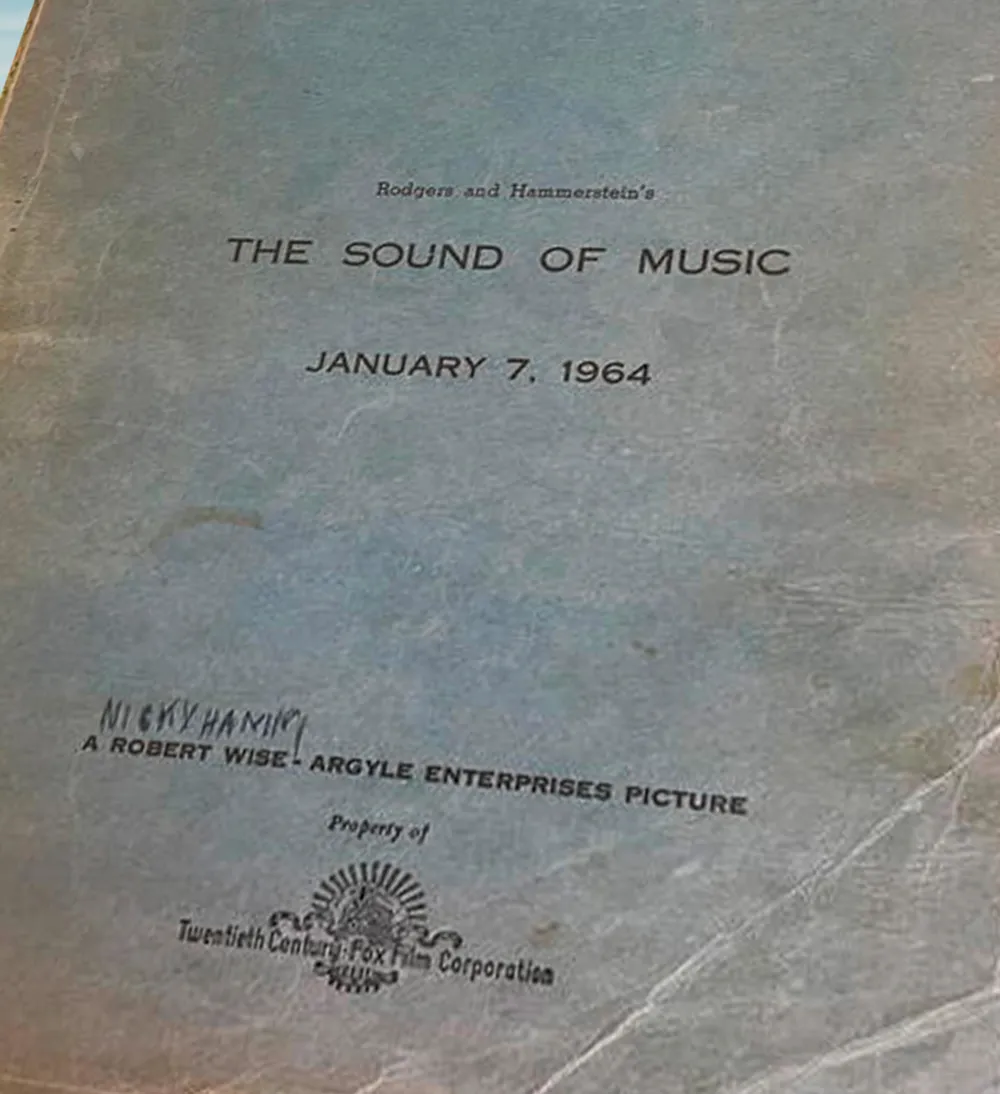
Filmed in 1964, the production captured the spirit of Salzburg at a moment when the city was opening itself to the world. Scenes shot at and around the Schloss helped fix its image in the collective imagination, linking its lake, terraces, and setting to a story of family, freedom, and resilience.
02
Leopoldskron as a filming location
Schloss Leopoldskron on Screen
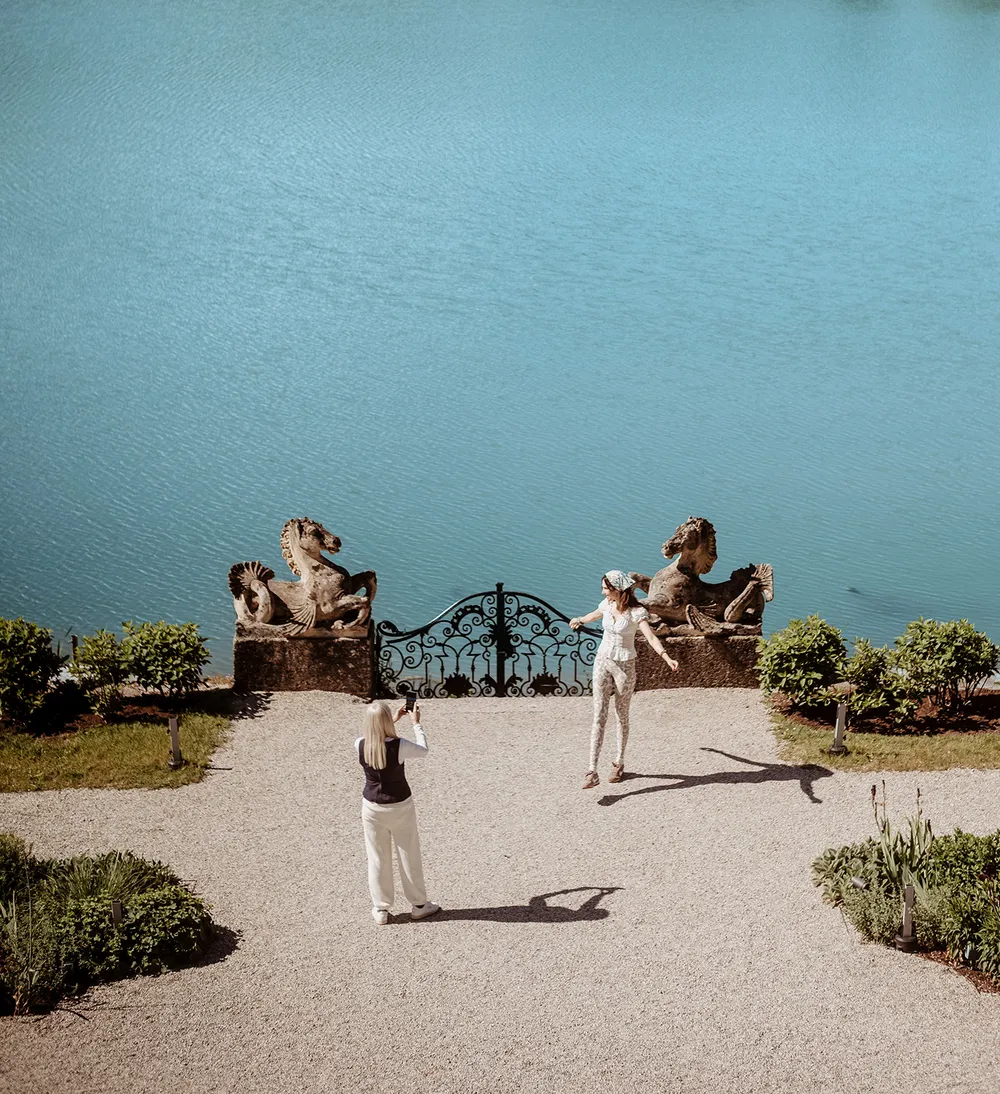
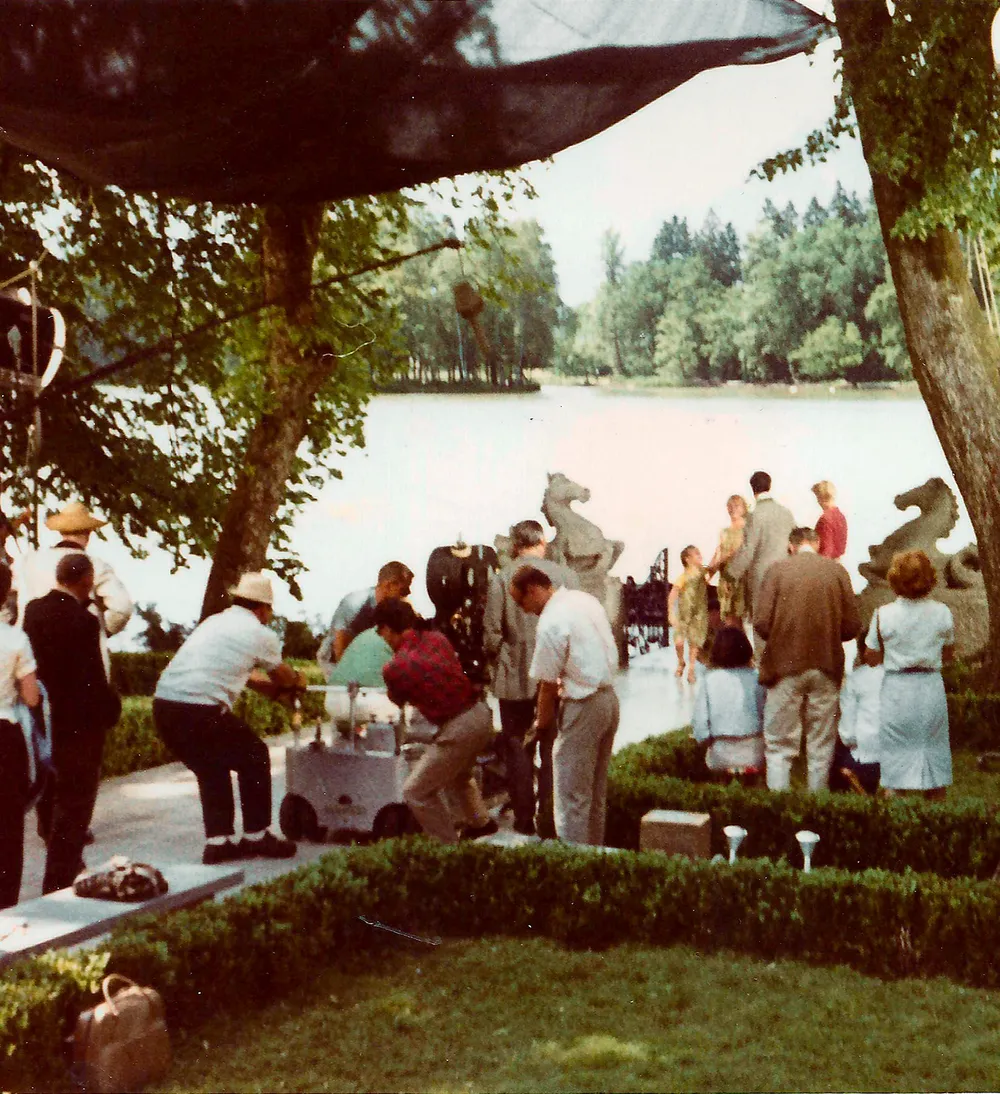
Several exterior scenes from The Sound of Music were filmed on the grounds of Schloss Leopoldskron. The palace and its lakeside setting appear most memorably in moments associated with the von Trapp family home, where water, mountains, and architecture come together in quiet harmony.
While interior scenes were recreated elsewhere, the outdoor locations remain unmistakable. Today, visitors can still recognize the terrace and lake views that framed these iconic moments - little changed, and still shaped by the same light and landscape that captivated filmmakers more than half a century ago.
03
Beyond the Film
Although The Sound of Music brought Schloss Leopoldskron international recognition, the palace has always been more than a film location. Long before the cameras arrived - and long after they departed - it has been a place defined by creativity, dialogue, and cultural exchange.
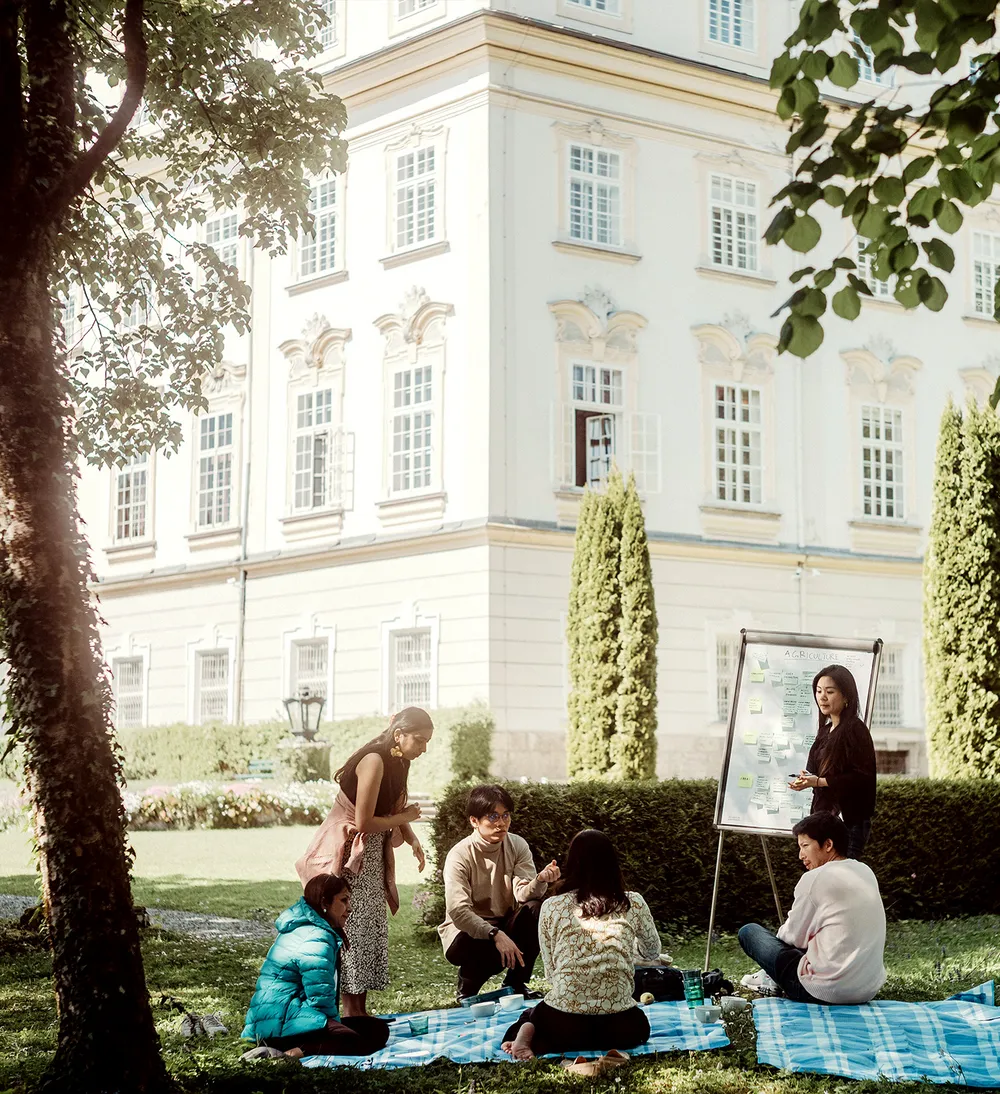
The film’s legacy sits alongside other layers of history: from its origins as an 18th-century retreat to its role in the artistic life of Salzburg and its continuing function as a place where people gather to think, reflect, and connect.
04
A Continuing Legacy
For many guests, encountering Schloss Leopoldskron through the lens of The Sound of Music is part of a broader journey - one that moves from the familiar into deeper discovery. The story endures not because it is preserved as spectacle, but because it remains connected to a real place which is lived in and experienced every day.
Here, the film’s imagery feels grounded rather than staged - woven naturally into the life of the Schloss and the landscape that surrounds it.